





Well, the time is coming when summer is ending, and fall is arriving. What can take a hit during this time? Your skin. Your skin can feel completely different in the summer than it does in the fall.
One week, you're dealing with heat, humidity, sunscreen and extra shine. A few weeks later, as the air turns cooler and the humidity drops, your skin suddenly feels tighter, drier or a little more reactive than it did the month before.
Just as you change your wardrobe with the season (which is my favourite season!), your skincare may need a few tweaks too.
Transitioning your skincare from summer to fall is mostly about protecting hydration, supporting your skin barrier and potentially adjusting the weight of your products as your environment changes.
For mature, perimenopausal, menopausal and post-menopausal skin, those small seasonal changes can make an especially noticeable difference.
Why does your skin change in the fall?
Your skin barrier is your outermost defence system, helping keep moisture in while protecting your skin from environmental stressors.
During the summer, higher humidity can make it easier for your skin to hold onto water. You may naturally gravitate towards lighter moisturizers, gel textures and minimal layers. Then autumn arrives.
Cooler temperatures and lower humidity can increase moisture loss from the skin, while indoor heating can make the surrounding air even drier. Add windy days, hot showers and the seasonal shift between indoor and outdoor temperatures, and skin that felt comfortable all summer may begin to feel drier or dehydrated.
You may also notice it feels more sensitive or reactive to your usual products or tight after cleansing. Some people also experience rough or flaky skin.
For evolving and mature skin, these changes may be even more noticeable because your skin's ability to retain moisture and produce natural lipids can shift with age and hormonal changes.
Here are some ways to give your skin more of what it needs during the fall
1. Start by reassessing your cleanser
One of the first signs that your summer routine needs an autumn adjustment is how your skin feels immediately after cleansing.
If your face feels tight, squeaky or uncomfortable after washing, your cleanser, or the way you're cleansing, may be too aggressive for your skin's current needs.
Look for a gentle cleanser that removes makeup, sunscreen and daily buildup without leaving your skin feeling stripped. And watch the water temperature.
When the weather turns cold, a steaming-hot shower or face wash can feel wonderful, but very hot water can contribute to dryness and disrupt the skin's protective barrier.
Your fall goal: Clean skin should feel clean and comfortable, not tight.
2. Keep hydrating, then help seal it in
Hydration is needed year-round, especially after summer. As humidity drops, maintaining water within your skin becomes increasingly important. In fall, you need skincare that does two things: hydrate your skin and lock it in.
Humectant (moisture-attracting) ingredients such as hyaluronic acid can help attract and retain water, while barrier (skin's outer layer) supporting ingredients such as ceramides and squalane help reduce moisture loss and support a softer, more resilient skin barrier.
A hydrating serum followed by a moisturizer is an easy way to create that balance without overcomplicating your routine.
A simple layering order: Your routine should reflect what your skin needs. If you're starting to see extra dry patches, you may want to add an extra layer like a mist or heavier moisturizer.
At night, you can add a richer moisturizer or a balm as your final step if your skin needs additional support.
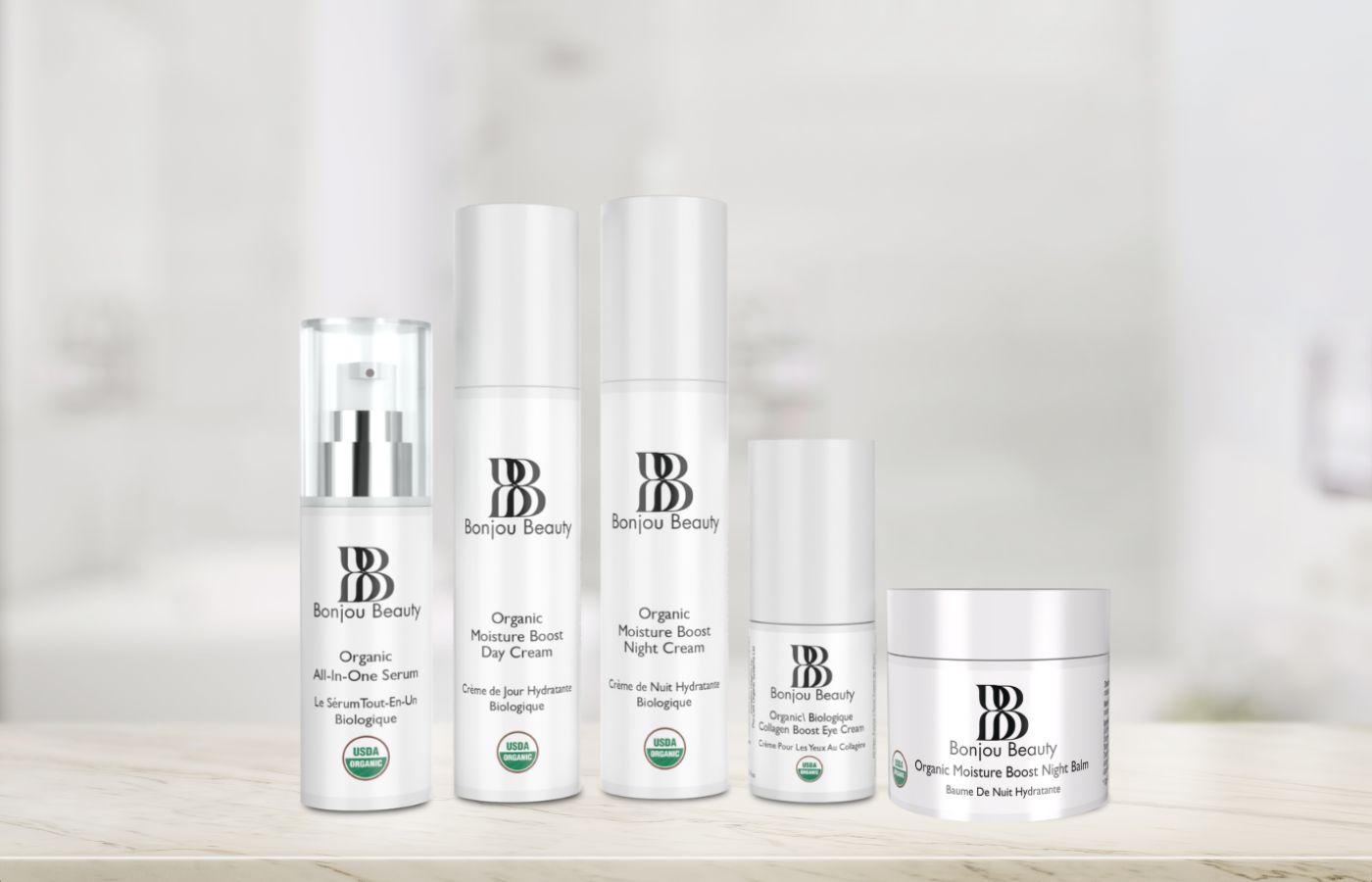
What I do: After my cleanser, I add our mist, then my serum, then my eye cream, moisturizer, and SPF. At night a few times a week, I'll switch to a balm.
3. Gradually move to a richer moisturizer
If your lightweight summer moisturizer still leaves your skin hydrated throughout the day, keep using it. As temperatures fall and indoor heating starts, if it doesn't keep your hydration up throughout the day, move to a richer formula. For very dry or mature skin, you may need a heavier night cream or balm.
What I do: I don't make the switch all at once. I use a lighter moisturizer during the day and our balm at night a few times a week (I mentioned the balm above).
Look for a moisturizer with ingredients like ceramides, squalane, hyaluronic acid, niacinamide, peptides, or nourishing plant oils and butters. These ingredients help keep your skin nourished and hydrated.
4. Summer may be over, but keep your SPF
You may have packed away your beach bag, but keep your sunscreen handy. UVA exposure remains a factor year-round.
Continue using broad-spectrum sunscreen on exposed skin as part of your morning routine, even when the forecast calls for a cool, cloudy or rainy fall day.
5. Exfoliate with intention
After a summer of sunscreen, sweat, and environmental exposure, it may be tempting to exfoliate more to get your skin feeling soft, but that's not necessarily the answer.
As the air becomes drier in the fall, over-exfoliation can weaken your skin barrier. If your skin is already tight, flaky, irritated or unusually sensitive, focus first on hydration and barrier support before adding more exfoliation.
When you do exfoliate, if you notice extra irritation, exfoliate less or wait a few extra days before exfoliating again.
6. Adjust active ingredients slowly
Fall is often considered a good time to reintroduce skincare ingredients you may have used less frequently during summer.
Retinoids, exfoliating acids, and other active ingredients can be useful additions to a routine when they're appropriate for your skin, but layering several potentially irritating ingredients while your skin adjusts to colder, drier weather may cause unnecessary irritation.
What I do: When I'm using our Rejuvinol (organic retinol alternative), I make sure I don't exfoliate the same day.
One tip is to introduce or increase active ingredients gradually. If your skin becomes red, uncomfortable, excessively dry, or persistently irritated, simplify your routine and seek advice from a dermatologist or other qualified healthcare professional when needed.
7. Pay extra attention to mature and hormonal skin
Seasonal changes can be particularly noticeable during perimenopause, menopause and post-menopause.
Hormonal changes can affect skin hydration, oil production, elasticity and barrier function. Combine those changes with cooler temperatures and dry indoor air, and your skin may suddenly need more support than it did in summer.
During these skin stages, prioritize the basics like gentle cleansing, hydration, moisturizing, and daily sun protection.
Then add targeted ingredients according to your individual skin concerns.
8. Don't forget your lips, eyes and other dry spots
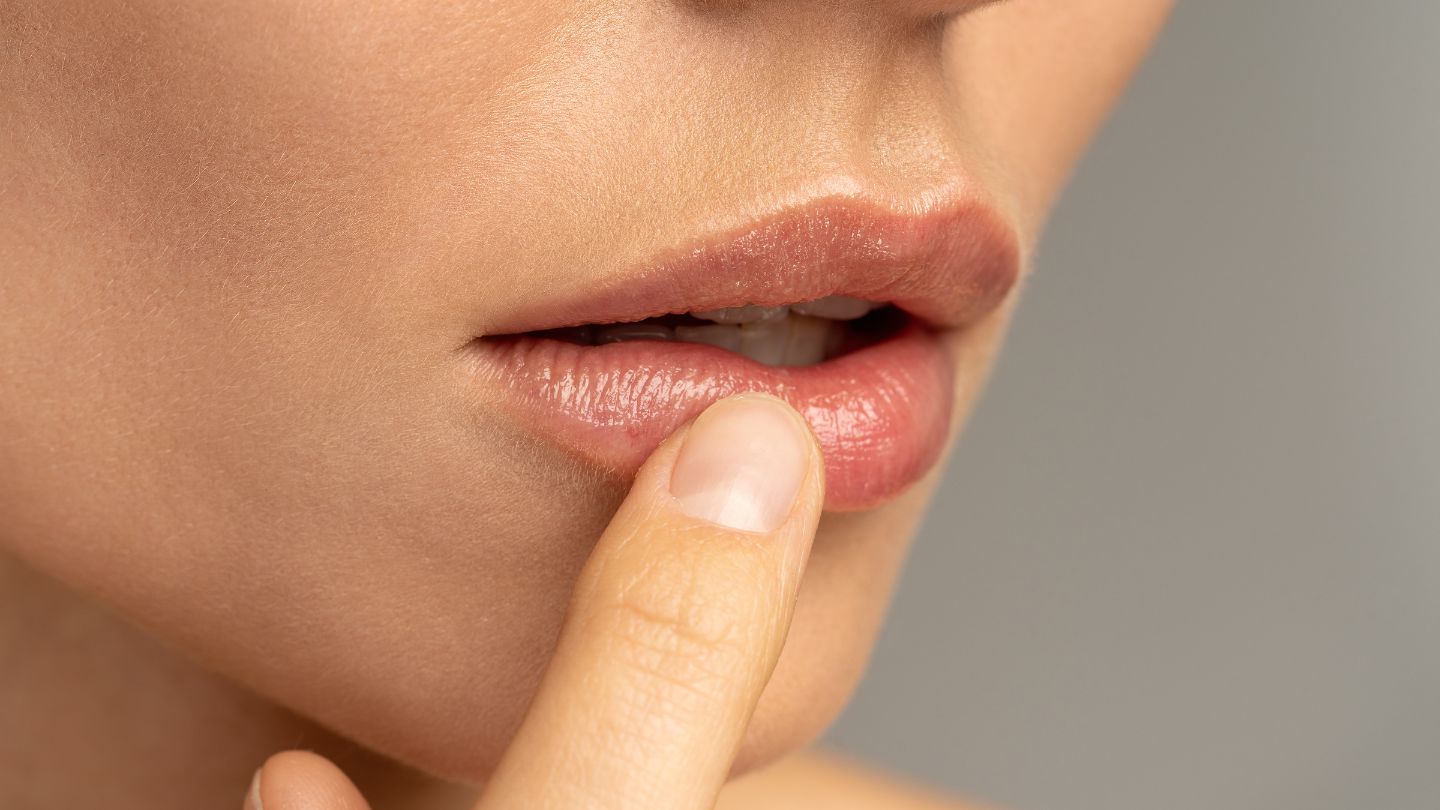
Sometimes the first sign of fall isn't dry skin. It's chapped lips. The delicate skin around the eyes and lips can become noticeably drier as temperatures and humidity drop.
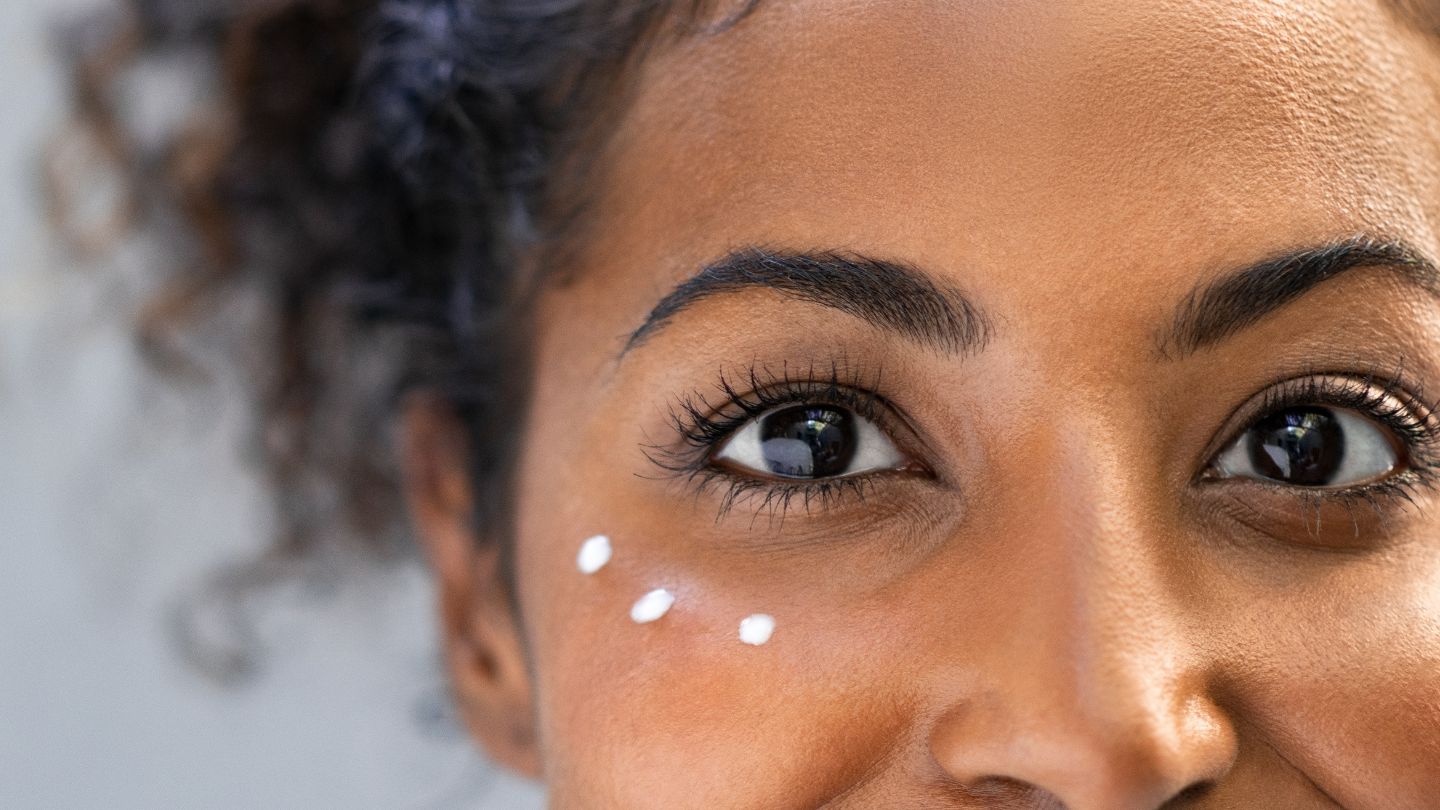
A moisturizing eye cream can provide additional moisture around your eyes, while a nourishing lip treatment can help reduce chapped lips.
You may also find that areas around your nose, mouth and jawline need a little extra moisturizer.
What I do: For my eyes, I add an extra layer of hydration with a serum that works on both my eyes and face, then add my eye cream. My lips are always chapped (less so in the summer), so I always use a vitamin E treatment on my lips, even when I'm wearing lipstick.
9. Consider the things going on at home
Your skincare products aren't the only factor affecting your skin. Once furnaces and indoor heating systems come on, indoor humidity can drop considerably. If your skin seems persistently dry despite changing your skincare routine, your environment may be contributing.
A humidifier can add moisture to dry indoor air, especially in bedrooms during the colder months.
Also consider the little things: Avoid excessively hot showers (I'm super guilty of this!), moisturize your skin right after bathing and drink enough water.
Frequently asked questions
When should I switch my skincare routine from summer to fall? If you notice drier skin, flaking, or your summer routine doesn't feel like it's working, it's time to switch.
Should I use a heavier moisturizer in fall? Not everyone needs a heavier moisturizer, but dry, mature and hormonally changing skin often benefits from richer hydration as temperatures and humidity decrease. You can also use a lighter moisturizer during the day and a heavier one at night.
Do I still need sunscreen in fall? UV rays are around year-round, so yes, you need to continue to use a broad-spectrum SPF 30+ on exposed skin, no matter the weather.
Need some routine inspo?
Explore our skincare by skin stage.


