












For many of us, skipping self-care isn’t about not caring. It’s about capacity. When you’re managing work, family, aging parents, shifting hormones, daily responsibilities and your own expectations, anything labelled “optional” quietly falls away.
But what I’ve learned, personally and through years in skincare and wellness is that daily self-care is an important part of health.
In your 40s and beyond, daily self-care can help regulate stress hormones, stabilize energy levels, support sleep, and protect the skin barrier, especially during perimenopause and menopause.
The goal isn’t perfection. It’s making it consistent without effort.
Here are three essential ways to build a daily self-care routine that actually lasts.
1. Attach self-care to what you already do (habit anchoring)
One of the reasons daily self-care doesn’t work for some people is that it’s thought of as a separate event and scheduled as such. It rarely works long-term because of priorities such as:
- Work
- Family
- Deadlines
- Responsibilities at home
Self-care feels more negotiable, like I’ll get to it when I can. One way to work around it is to avoid adding something new; instead, attach it to something that’s already automatic. It’s called habit anchoring, and it’s one of the most powerful ways to build a daily self-care routine.
Examples of anchoring
- Morning anchor: While applying skincare, take one deep breath and repeat a grounding affirmation.
- Afternoon anchor: After lunch, drink a full glass of water and stretch for two minutes.
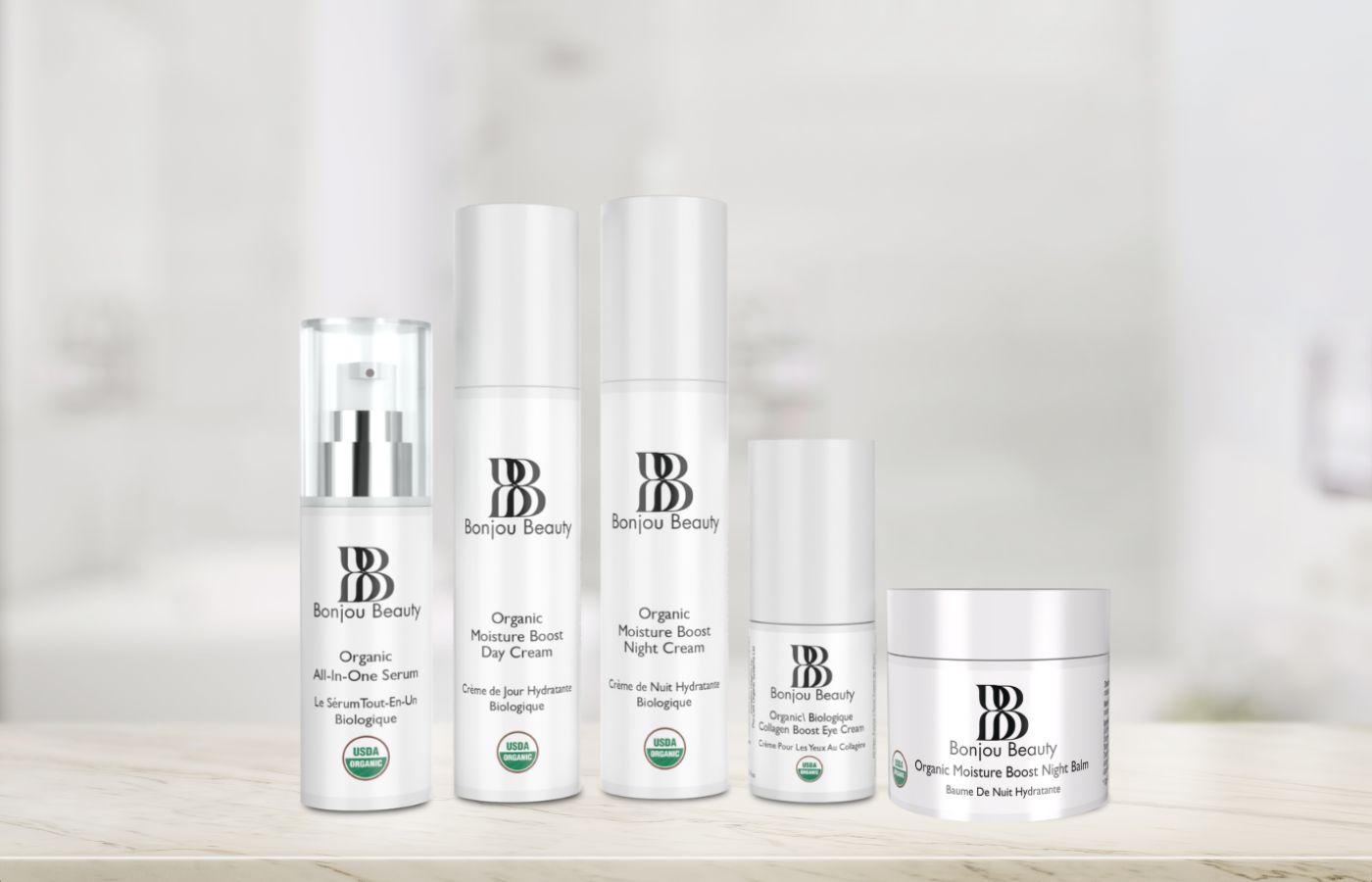
- Evening anchor: After changing into pyjamas, cleanse, apply eye cream, and moisturize (at minimum, including serum is ideal), no matter how tired you are.
- Hopefully, skincare is already part of your daily routine, so swap this part out for jotting down in a journal one thing you felt you did well that day. Doing it this way, you’re not creating a new habit; you’re piggybacking on an existing one. Our brain loves patterns and once linked, the routine feels incomplete without it.
Why this especially matters during perimenopause, menopause
During perimenopause and menopause, cortisol fluctuations can impact:
- Sleep quality
- Skin hydration
- Inflammation
- Energy stability
- Brain function
And if you’re like me, you’re affected by all the above…hello brain fog! A regular daily self-care routine helps buffer those spikes. Consistency matters more than complexity.
A simple routine done daily will outperform a complicated one done occasionally.
2. Reduce the effort
Most routines fail not because they’re ineffective, but because they require too much activation energy. When you’re busy, you’ll skip it on busy days, and as we know, life doesn’t slow down after 45.
If your routine requires extra steps to get started, like searching for products or deciding which step comes next, your brain may register resistance.
So, design for what’s easy to slide into your daily schedule.
How to create a low-resistance self-care routine
Visibility helps reduce decision fatigue.
Make it visible: Keep skincare on the counter. Leave your journal on your pillow. Keep water nearby, either beside you or your coffee maker.
Use fewer steps: A 3- to 4-step daily skincare routine is more powerful than a 10-step routine done once a week.
· For example: For your skincare routine, make sure to cleanse, use eye cream, and moisturize at a minimum every day, and preferably add a serum for extra hydration after 45. My skincare routine takes me five minutes or less twice a day, including letting the serum dry in between, and I use a mist.
* I add extra steps at least on the weekend to include my exfoliate and mask steps.
Create a zone: Designate one space that signals reset. It could be a bathroom corner, a bedside table, or a quiet chair in the morning.
Your brain will start to associate the environment with behaviour.
Follow the 60-second rule: If starting takes longer than 60 seconds, it might not survive your real life. Start small, and then as you complete it, it can help build momentum.
For example, your morning affirmation or writing down something you did well that day should only take a minute.
3. Replace outcome-based thinking
Outcome-based thinking focuses on goals instead of making self-care a regular part of your life.
Instead of:
❌ I want better skin
❌ I should relax more
❌ I need more energy
Try:
✔ I am someone who resets every evening
✔ I support my body daily
✔ I maintain my wellbeing, I don’t just repair it
When self-care becomes part of your daily identity, you don’t even think about it; it just is.
What happens when self-care becomes a daily routine?
If you approach self-care as a task, such as I need to take better care of myself, it requires willpower.
But when it becomes identity, such as I am someone who maintains my well-being daily, it becomes more of a routine and is done daily.
After 45, resilience isn’t built from intensity; it comes from consistency. When you start making self-care a routine, you may begin to notice one or more of these:
- Fewer energy crashes
- Calmer reactions to stress
- Better hormonal balance
- Stronger skin barrier
- Better sleep
- Reduced inflammation
Not because you did something extreme, but because you did something consistently.
The real secret to never missing a self-care day is to make it easy, so it becomes a part of who you are.
---
In our next post, I’ll walk you through a simple 5-minute self-care framework designed specifically for women 40s and up who may be navigating perimenopause and menopause, taking care of children and/or parents, or a combination of both.


