






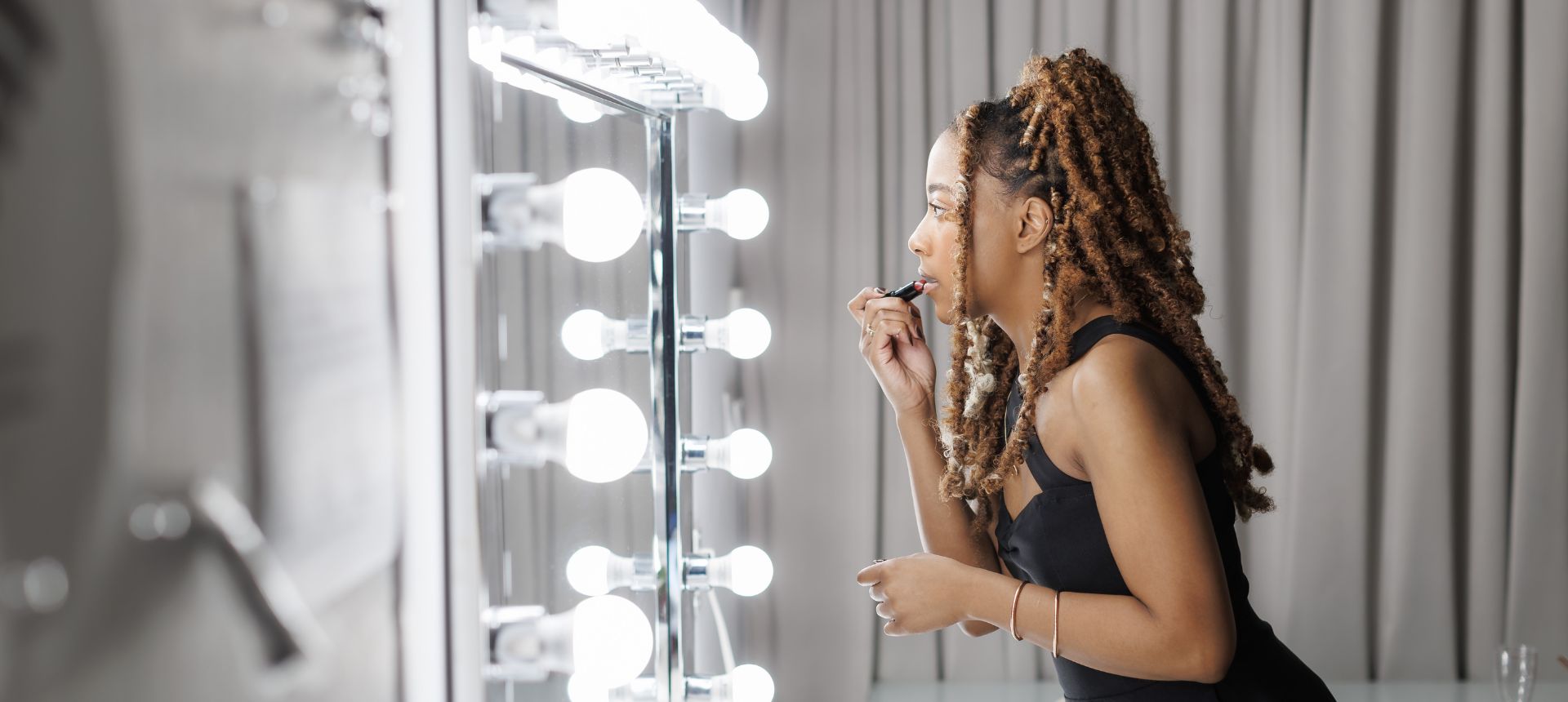



Summer often promises glowing skin, fresh air, and sunshine. But if your skin is becoming drier with age, the warmer months can feel surprisingly challenging.
Many women notice that while humidity may reduce some winter dryness, their skin still feels tight, dehydrated, more sensitive, or develops uneven texture. If you're in your 40s, 50s, or beyond, or navigating perimenopause, menopause, or post-menopause, there's a reason.
Why does mature skin become drier in summer?
As we age, our skin naturally produces less oil, fewer natural moisturizing factors, and fewer barrier-supporting lipids. During perimenopause and menopause, declining estrogen further reduces collagen production, skin thickness, elasticity, and moisture retention. Summer can add additional stress through:
- UV exposure
- Air conditioning
- Salt water
- Chlorinated pools
- Increased perspiration
- More frequent cleansing
Together, these can weaken the skin barrier, allowing moisture to escape more easily, a process known as increased transepidermal water loss (TEWL). The result? Tightness after cleansing, rough or flaky patches, increased redness, makeup that settles into fine lines, and skin that doesn’t look dewy despite the sunshine.
Here are some ways you can support mature and dry skin all summer long while protecting your skin barrier and maintaining a healthy, radiant complexion.
Your summer goal: hydrate, don't over-dry
The key is that mature and dry skin needs lightweight hydration in the summer. Think of summer skincare as protecting your skin's moisture.
1. Choose a gentle cleanser
After sunscreen, sweat, and time outdoors, cleansing is essential. Look for formulas that respect your skin barrier, remove sunscreen effectively, maintain hydration and leave your skin feeling comfortable, not tight.
A gentle gel cleanser is often enough both in the morning and at night during summer.
2. Keep using serums
You still need skincare during the day in the summer, even if you’re using sunscreen. Start with a lightweight serum and look for ingredients like hyaluronic acid, glycerin, aloe vera, and ceramides. These attract and hold water while supporting the skin barrier without leaving skin greasy.
3. Don't skip your moisturizer
Even on hot days, your skin still needs moisture. Without a moisturizer, water evaporates quickly from the skin's surface, leaving mature and dry skin dehydrated by midday. Look for ingredients such as ceramides, squalane, niacinamide, peptides and plant oils rich in essential fatty acids.
These help reinforce the barrier while keeping skin soft and resilient.
4. Make sunscreen your daily essential
Cumulative UV damage ruins your skin. Ultraviolet radiation contributes to collagen breakdown, fine lines, hyperpigmentation, loss of elasticity and an uneven skin tone.
Daily broad-spectrum SPF 30 or higher remains the single most important step, regardless of whether it's sunny or cloudy.
Reapply every two hours when outdoors, especially after swimming or sweating.
5. Add antioxidants every morning
Think of antioxidants as your skin's protectors. Vitamin C is one of the best-researched ingredients for helping defend against environmental stress, supporting collagen production, and promoting a brighter-looking complexion. Other beneficial antioxidants include green tea, vitamin E, astaxanthin and resveratrol.
While sunscreen remains essential, antioxidants provide an additional layer of environmental protection.
6. Hydrate your skin throughout the day
If your skin feels dry in the afternoon, refresh your complexion with a hydrating facial mist, then gently dab in a small amount of moisturizer, if needed. This step can be especially helpful after air travel, time in air conditioning, beach days or long hours spent outdoors.
7. Exfoliate gently
Dry skin still benefits from exfoliation, but moderation is key. Over-exfoliating can damage an already fragile skin barrier. For most mature and dry skin types, exfoliate once a week and avoid combining multiple strong exfoliating products on the same day.
Gentle exfoliation helps remove dull surface cells while allowing hydrating products to absorb more effectively.
8. Feed your skin from within
Beautiful summer skin begins beneath the surface. Support your skin by:
- Drinking plenty of water throughout the day
- Eating colourful fruits and vegetables rich in antioxidants
- Including omega-3 fatty acids from foods such as salmon, walnuts, flaxseed, and chia seeds
- Prioritizing adequate protein to support collagen production
Healthy lifestyle habits work alongside your skincare routine to help maintain resilient skin.
A simple summer routine for mature and dry skin
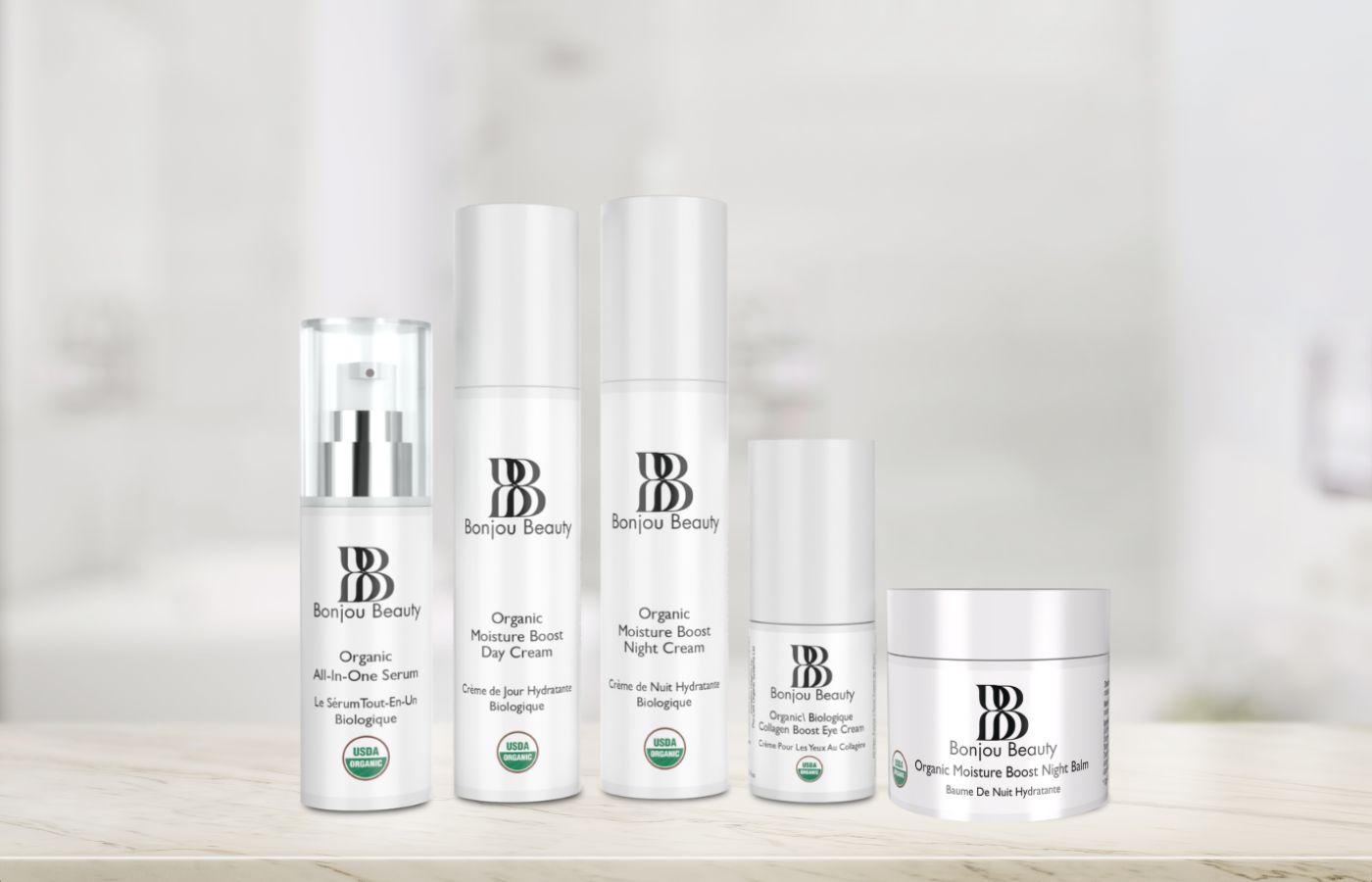
Morning
- Gentle cleanser
- Hydrating serum
- Eye cream
- Moisturizer
- Broad-spectrum SPF 30+
Evening
- Gentle cleanser
- Hydrating or peptide serum
- Eye cream
- Nourishing moisturizer
- Barrier-supporting night treatment when extra hydration is needed
Your summer routine should work with your skin stage
Summer skincare for dry and mature skin still needs to support your skin barrier, replenish hydration, protect against environmental stressors, and promote a healthy-looking complexion.
Frequently Asked Questions
Why does my skin feel dry even in humid summer weather? Humidity doesn't replace the natural oils and lipids that decline with age. Mature skin can still lose water through a weakened skin barrier, particularly after sun exposure, swimming, or spending time in air-conditioned environments.
Should mature skin use a lighter moisturizer in summer? Yes. Many people benefit from switching to a lighter moisturizer while continuing to use barrier-supporting ingredients such as ceramides, peptides, squalane, and hyaluronic acid.
How often should I exfoliate mature dry skin in summer? Generally, once a week is sufficient. If your skin is resilient and not sensitive, twice weekly may be appropriate. Over-exfoliating can increase dryness and irritation.
Is sunscreen still necessary if I'm mostly indoors? Yes. UVA rays penetrate windows and contribute to premature skin ageing. Wearing a broad-spectrum SPF every day helps protect collagen and reduce cumulative sun damage.
Which ingredients are best for mature skin during summer? Some of the most beneficial ingredients include hyaluronic acid, ceramides, peptides, niacinamide, glycerin, squalane, vitamin C, vitamin E, and botanical antioxidants.
References
- Hall G, Phillips TJ. Estrogen and Skin: The Effects of Estrogen, Menopause, and Hormone Replacement Therapy on the Skin. Journal of the American Academy of Dermatology.
- Brincat M, et al. Skin collagen changes after menopause and hormone replacement therapy. Obstetrics & Gynecology.
- Elias PM. The Skin Barrier as an Innate Immune Element. Seminars in Immunopathology.
- American Academy of Dermatology Association. Daily sunscreen recommendations and photoaging guidance.
- Pullar JM, Carr AC, Vissers MCM. The Roles of Vitamin C in Skin Health. Nutrients. 2017.


