Three women with different skin tones and hair textures posing together against a solid beige background, wearing matching beige tank tops.

Teen Skin Care Guide

Beauty tips for every skin tone

Bonjou Beauty’s guide combines derm-backed education with a gentle, skin-first philosophy to help you build healthy habits early to keep your skin looking dewy, youthful and healthy longer.

Your best beauty habits start here

Let’s be real. Your skin is going through a lot right now. Between hormone shifts and daily stress, your skin oil production may be on overdrive, and breakouts love to pop up uninvited. One day you’re shiny, the next you're dry, and suddenly your skin feels super sensitive because you tried a viral product you saw on your feed.

What your skin definitely doesn’t need: a complicated or 10-step routine. Layering heavy products or using harsh scrubs that leave your face feeling tight and stripped will only make things worse and age your skin faster than it should.

What your skin really needs: gentle support, consistency, and basic habits to help it stay balanced.

Important disclaimer

Bonjou Beauty’s guide is for informational purposes only and is not intended to replace professional medical advice. Teens experiencing persistent, painful, cystic, scarring, or emotionally distressing acne should consult a dermatologist, physician, or licensed skincare professional.

The American Academy of Dermatology notes that many people with acne can benefit from seeing a dermatologist, even if the acne is not severe.

Why your skin behaves differently

During your teen years, hormonal changes can increase oil production within your skin. More oil, combined with dead skin cells and clogged pores, can lead to breakouts, blackheads, whiteheads, and uneven texture.

Acne is one of the most common things teens experience. The Canadian Dermatology Association notes that puberty triggers hormones that cause overactive oil glands and clogged pores, which is exactly how breakouts start.

In addition, you may also experience:

  • Excess shine, especially through the T-zone.
  • Inflamed breakouts or post-breakout marks or dark spots.
  • Texture changes, like unevenness or bumps.
  • Sensitivity or redness, which can sometimes come from over-cleansing or harsh products.
  • Dryness all over or in spots like around your cheeks or mouth from harsh acne products or other harsh products.

At the same time, your skin is still learning its patterns. That means overly aggressive routines or products can sometimes make things worse by irritating the skin barrier (outer layer).
These changes are common and manageable with gentle, consistent skincare. A simple routine done consistently is often more helpful than constantly switching products, especially with skincare.

A helpful way to think about it is ā€œMy skin is changing, and I can support it, so it glows and is healthy.ā€

My niece with long, curly black hair is shown in profile against a pale blue sky, wearing a cream-colored lace-trimmed top and layered necklaces.

Why this stage matters

The skincare habits you develop during your teen years can shape how your skin looks and feels as you get older. It’s the ideal time to perfect:

  • Gentle cleansing habits.
  • Daily SPF use, no matter the weather.
  • Healthy skin hydration.
  • Balanced breakout care.
  • Consistency.
  • How to avoid overusing actives.

Understanding your skin and which trends will work for you and which ones to skip.

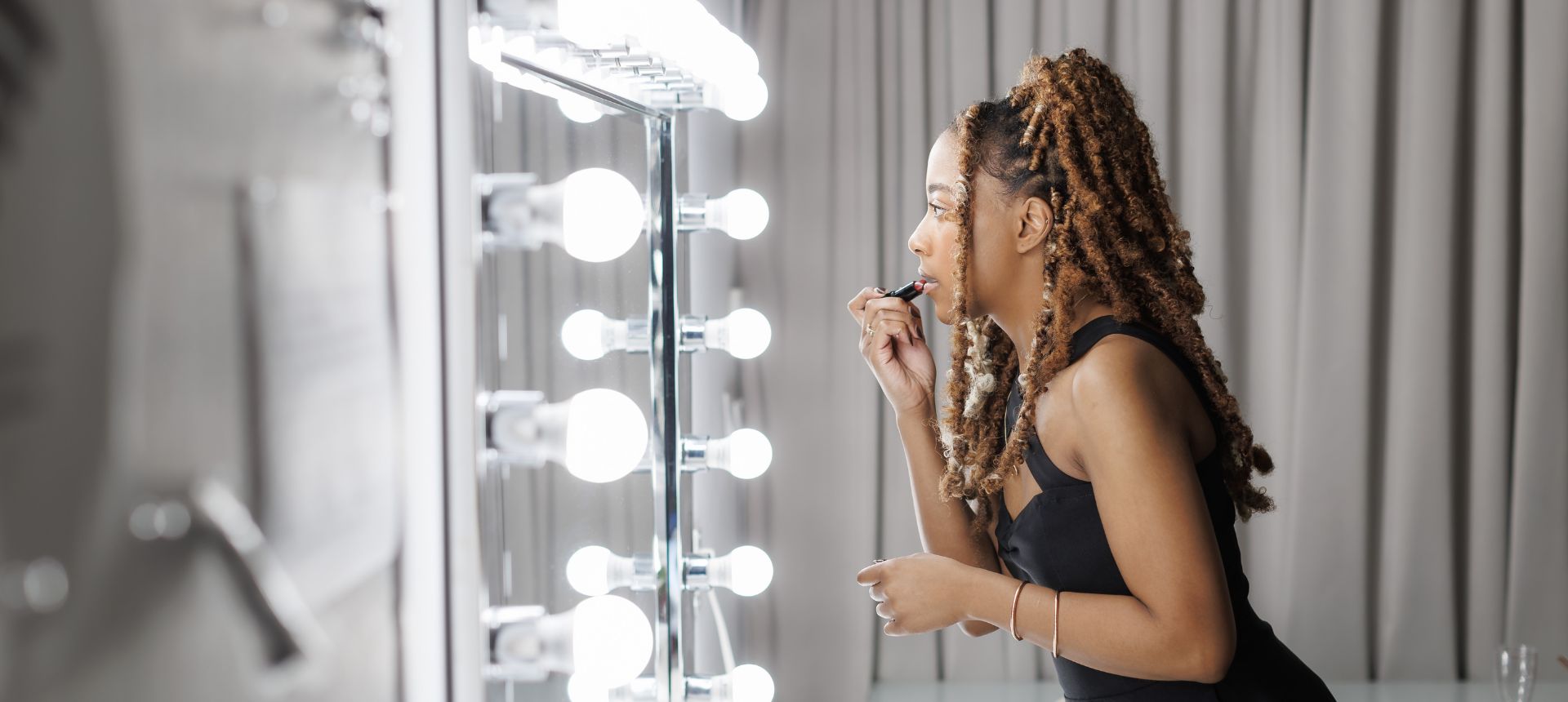
Influencer taking a selfie with a glowing ring light mirror and their reflection in the ring light.

Let's talk about TikTok skincare

Skincare content is everywhere. One creator says you need five serums. Another says you need none. One week, everyone's using snail mucin. The next week it's acids, retinol, and exfoliating toners.

The truth? Most teen skin needs much less than you see on social media. Using products made for adult or mature skin can irritate your skin, damage it and cause premature aging. If you’re not ready to look like your parents, you probably shouldn’t use the same products as they do, unless they’re made for teen skin.

Dermatologists are increasingly concerned that these promoted skincare routines, packed with active ingredients, may irritate young skin and cause long-term damage that may not be reversible.

Teen skin across different skin tones

Skin behaves differently across skin tones because melanin levels influence pigmentation, visible redness, inflammation response, and how marks appear after breakouts.

It doesn’t mean one skin tone is easier or harder to care for. It just means you may need slightly different support depending on your skin tone.

Skin tone Common teen skin concerns Key support priorities
Fair to light skin Redness, irritation, pink post-breakout marks, visible sensitivity Gentle cleansers, niacinamide, moisturiser, SPF
Light-medium / olive to tan skin T-zone oiliness, clogged pores, pigmentation after breakouts Salicylic acid, lightweight hydration, SPF
Medium to golden brown skin Post-inflammatory hyperpigmentation, combination skin, uneven tone Azelaic acid, barrier support, gentle exfoliation
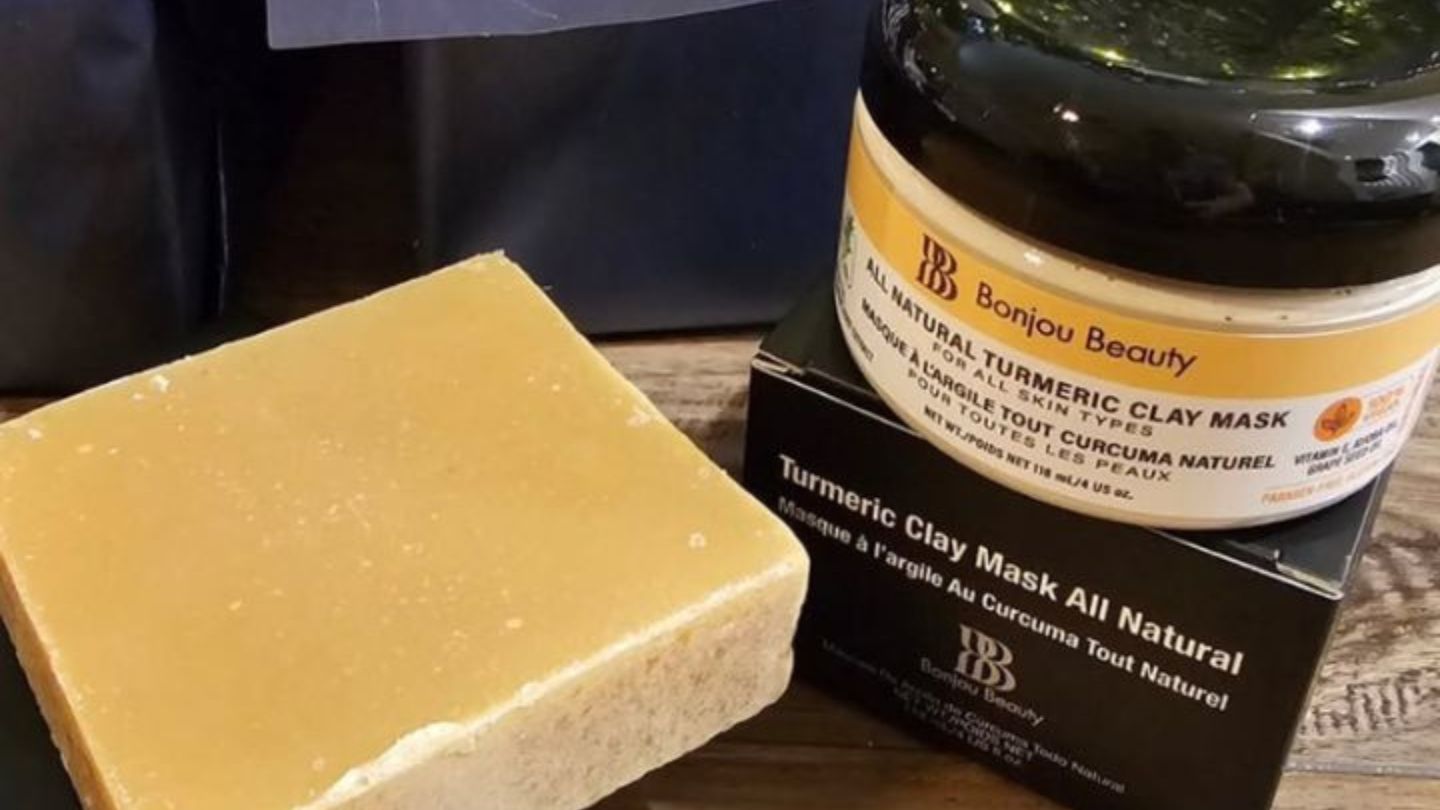
Medium-deep / rich brown skin Dark marks lingering after acne, dehydration-related dullness Brightening support like turmeric, hydration, SPF
Deep / ebony skin Hyperpigmentation, ashiness from dryness, sensitivity from harsh products Ceramides, squalane, tinted SPF, gentle brightening like turmeric
A smiling woman with curly hair applies sunscreen cream to her face outdoors under a clear blue sky, holding a yellow drink in one hand.

Important notes for deeper skin tones

Deeper skin tones naturally have more melanin, which provides some additional UV protection. However, melanin does not prevent hyperpigmentation, acne marks, uneven tone, sun damage, or skin cancer risk.

The Canadian Dermatology Association notes that for melanin-rich teen skin, irritation can sometimes lead to darker post-breakout marks that last longer. It’s called post-inflammatory hyperpigmentation, or PIH, which is more common and often more persistent in darker skin tones.

Gentle skincare especially matters for deeper skin tones. So, make these steps a priority:

  • Stay away from harsh scrubs /exfoliates and use gentle motions when applying skincare.
  • Don’t pick or pop pimples and use science-backed gentle breakout support.
  • Keep your skin hydrated, even if you have oily skin.
  • Treat any skin irritation right away.
  • Wear daily SPF and choose a tinted option if mineral sunscreen leaves a white cast.

The Skin of Color Society notes that tinted sunscreens with iron oxides can help protect against visible light, which is relevant for hyperpigmentation, melasma, and uneven tone.

What your skin needs most

The best teen skincare routines are usually simple, gentle, and consistent. You don’t need a shelf full of skincare products. All you need are a few basics that support your skin’s outer layer (barrier), gently manage oil, and protect against sun damage.

Important: Look for products that say they are non-comedogenic. It means they won’t clog your pores, which can lead to acne.

Close-up of a woman's face with moisturizer swatches applied to her cheek against a warm brown background.

1. Gentle cleansing

Cleansing helps remove oil, sweat, sunscreen, makeup, and daily buildup. When you cleanse your skin, it shouldn’t leave your skin feeling tight or dry. That ā€œstrippedā€ feeling can be a sign that the cleanser is too harsh.

A good cleanser should leave skin feeling clean, but still soft. Look for:

  • Gentle gel or cream cleansers that are designed for daily use.
  • Sulphate-free and fragrance-free cleansers (sulphates and fragrances can cause irritation, especially for sensitive and acne-prone skin.

Unless you have sensitive skin, you should probably wash your face twice daily. Once in the morning, lightly and once in the evening. Evening cleansing is non-negotiable, regardless of skin type.

2. Lightweight hydration

Teen skin still needs hydration, even when it’s oily. Skin can be shiny and still dehydrated, especially if you use harsh acne products or over-cleanse.

Look for lightweight moisturizers with scientifically backed ingredients safe for teen skin, including niacinamide (vitamin B3), hyaluronic acid, and benzoyl peroxide for acne-prone skin.

Hand with heart-shaped sunscreen on it on a beige background

3. Daily sun protection

Daily SPF is one of the healthiest long-term habits you can build early. Not much else can age your skin and cause damage as much as UV damage.

Broad-spectrum SPF 30 to 50 helps protect against:

  • Sun damage and worsening irritation from sun exposure.
  • Pigmentation and post-breakout dark marks.
  • Premature visible signs of aging, like lines and wrinkles.
  • Uneven skin tone.

The American Academy of Dermatology recommends broad-spectrum, water-resistant sunscreen with SPF 30 or higher for exposed skin.

Use it during the day, no matter what the temperature is outside or if it’s raining or snowing. UV rays can get through clouds.

Reapply every two hours if you’re outside all day.

Daily SPF is important for every skin tone. For deeper skin tones, tinted sunscreens or sheer formulas may be helpful if traditional mineral sunscreen leaves a white cast.

4. Gentle acne support if needed

Breakouts are common during your teen years, and they should be treated gently rather than aggressively. Check with your doctor or dermatologist to see which ingredients are good for your skin, but here are some of the ingredients the American Academy of Dermatology lists among common acne treatment options.

Ingredient Why it helps
Salicylic acid Helps unclog pores and reduce congestion
Benzoyl peroxide Can help target acne-causing bacteria and inflamed breakouts
Azelaic acid Supports acne-prone skin and uneven tone
Niacinamide Helps support the skin barrier and calm the look of redness

These ingredients should be used carefully and introduced one at a time. Using too many acne ingredients at once can lead to dryness, stinging, peeling, and more irritation.

Recommended daily skincare routine for teen skin

Lucky for you, your skincare routine shouldn’t be complicated (which is also a bonus timesaver). In Teen Vogue’s article on teen moisturizers, double-board-certified facial plastic surgeon Dr. Prem Tripathi said that most teens don't need complex products. And added that ā€œMoisturizer and SPF are all teens need, unless treating something like acne.ā€

A close-up selfie of my niece with dark curly hair, showing white cream being applied to her face and hand, with clips holding her hair in place.

Morning

Gentle cleanser: Use a gentle cleanser to remove overnight oil and refresh the skin. If your skin is very dry or sensitive, rinsing with water in the morning may be enough.

Lightweight moisturizer: Choose a light moisturizer that hydrates without feeling heavy.

Broad-spectrum SPF 30 +: Final morning step.

Evening

Gentle cleanser: Cleanse to remove sweat, sunscreen, makeup, oil, and daily buildup.

Acne treatment, if needed: Use one breakout treatment at a time. Start slowly and avoid layering multiple strong acne products.

Lightweight moisturizer: Helps support the skin barrier, especially if you use acne treatments.

Optional once weekly or as needed treatments

Hydrating masks

A hydrating mask may help add moisture to help keep your skin barrier soft, especially if you have very dry or dehydrated skin or use a drying acne treatment. Look for ingredients like:

  • Hyaluronic acid for moisture.
  • Turmeric, which helps with discolouration and evens skin tone.
  • Niacinamide (vitamin B3) helps minimize pores and strengthen your skin’s barrier.

Gentle exfoliation

If you have clogged pores or textured skin, you may benefit from a very gentle exfoliant once a week or as needed.

Options may include salicylic acid, enzyme exfoliation, or very mild chemical exfoliants recommended by your dermatologist or an aesthetician who specializes in teen skin.

Avoid harsh physical scrubs. Scrubbing harder does not clear skin faster and may increase irritation or post-breakout marks.

Common skincare mistakes

  1. Over-cleansing: Washing your face too often can strip your skin’s outer layer and increase irritation. Twice daily is usually enough for most teens.
  2. Using harsh acne products too frequently: Overusing strong acne ingredients may increase dryness, peeling, burning, and sensitivity. Work with a doctor or dermatologist to find the right products for your skin.
  3. Skipping moisturizer: Oily skin still needs hydration. Not using moisturizer can leave your skin feeling tight, irritated, or unbalanced.
  4. Picking or popping pimples: Picking your pimples can increase inflammation and scarring and cause dark spots. This is especially important for deeper skin tones, where dark marks can linger.
  5. Skipping SPF: Protecting your skin from the sun's UV-rays helps reduce long-term pigmentation, supports overall skin health, and slows down UV-ray-related aging. SPF is especially important when using acne treatments, exfoliants, or spot brightening ingredients.
  6. Following every skincare trend: Your skin does not need every viral serum, acid, mask, or active ingredient. Trend-based routines can become too aggressive quickly and age your skin before its time.

The Real Simple’s article on teen skincare trends highlighted concerns about overly complex routines with many active ingredients, as shown on social media, and about low sunscreen use. As we mentioned, it’s better to keep your routine simple to help your skin retain its youthful glow.

Close-up of my niece applying Bonjou Beauty lip liner with dark brown hair and a navy blue top against a blurred outdoor background.

Makeup and your skin

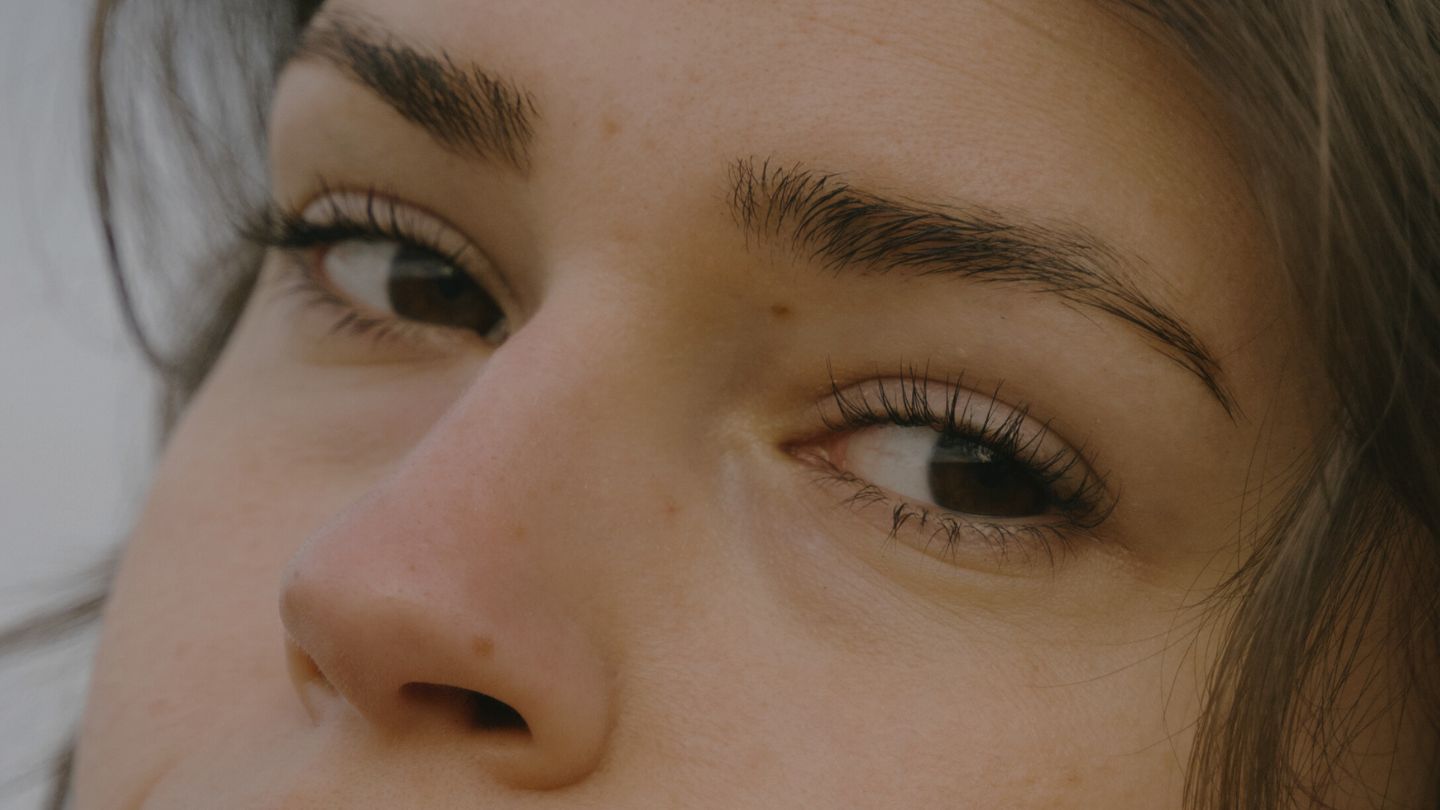
Now to the fun part: makeup! Heavy coverage isn’t recommended for teen skin because it can clog pores and lead to premature aging, especially if not properly removed at night. But you can still have fun with your makeup looks!

We recommend lightweight, breathable makeup that feels comfortable on the skin. Let your skin breathe as much as possible. Play with colours instead to create a look that’s trending.

Base: Use cream-based, breathable formulas, mineral powders, tints, or BB or CC creams.

  • Application tip: Blend it in softly and use a light touch to keep your skin healthier. If you have spots or discolouration you want to cover, blend extra product only on those areas to keep the rest of your skin looking fresh.

Face makeup: Try cream-based multitasking products with breathable coverage.

  • Application tip: Blend it in softly and use a light touch to keep your skin healthier.

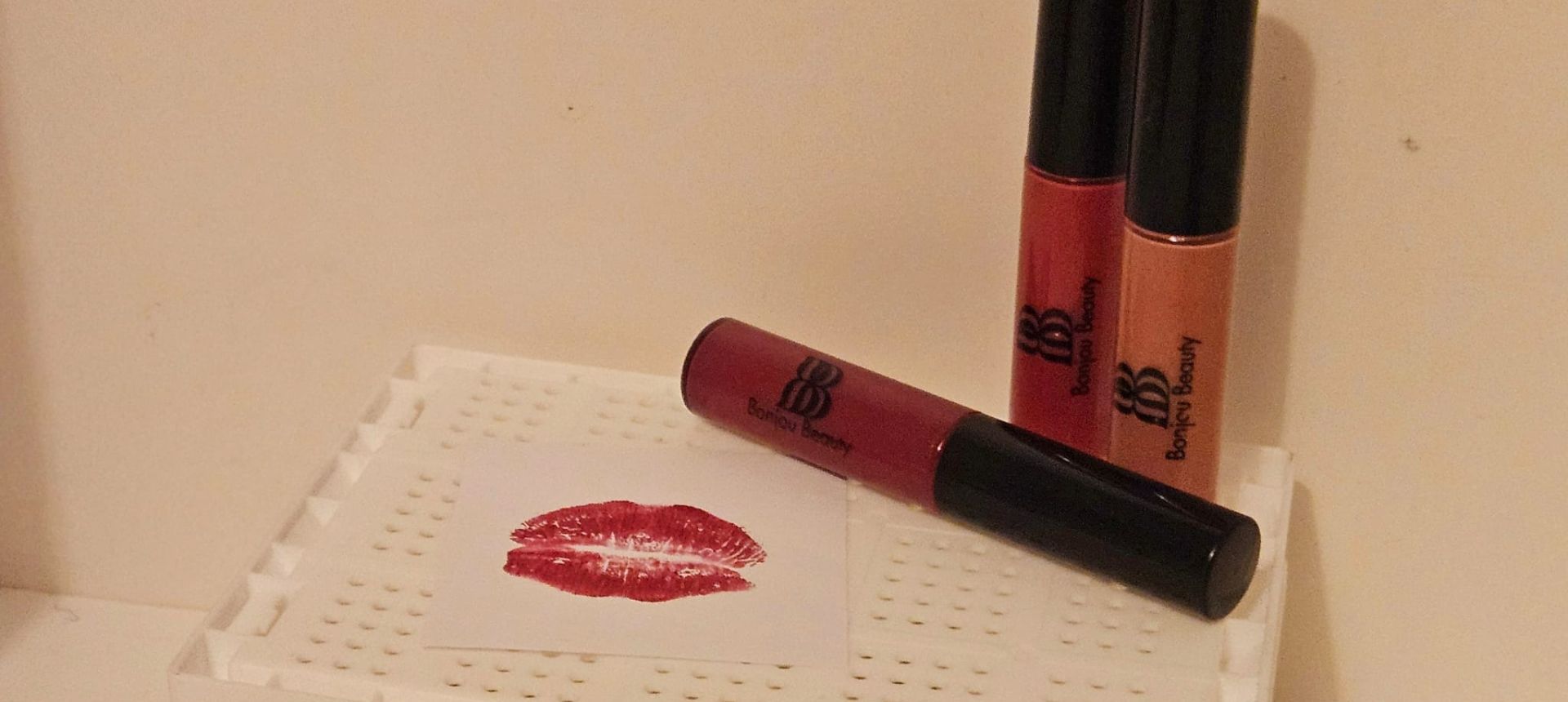
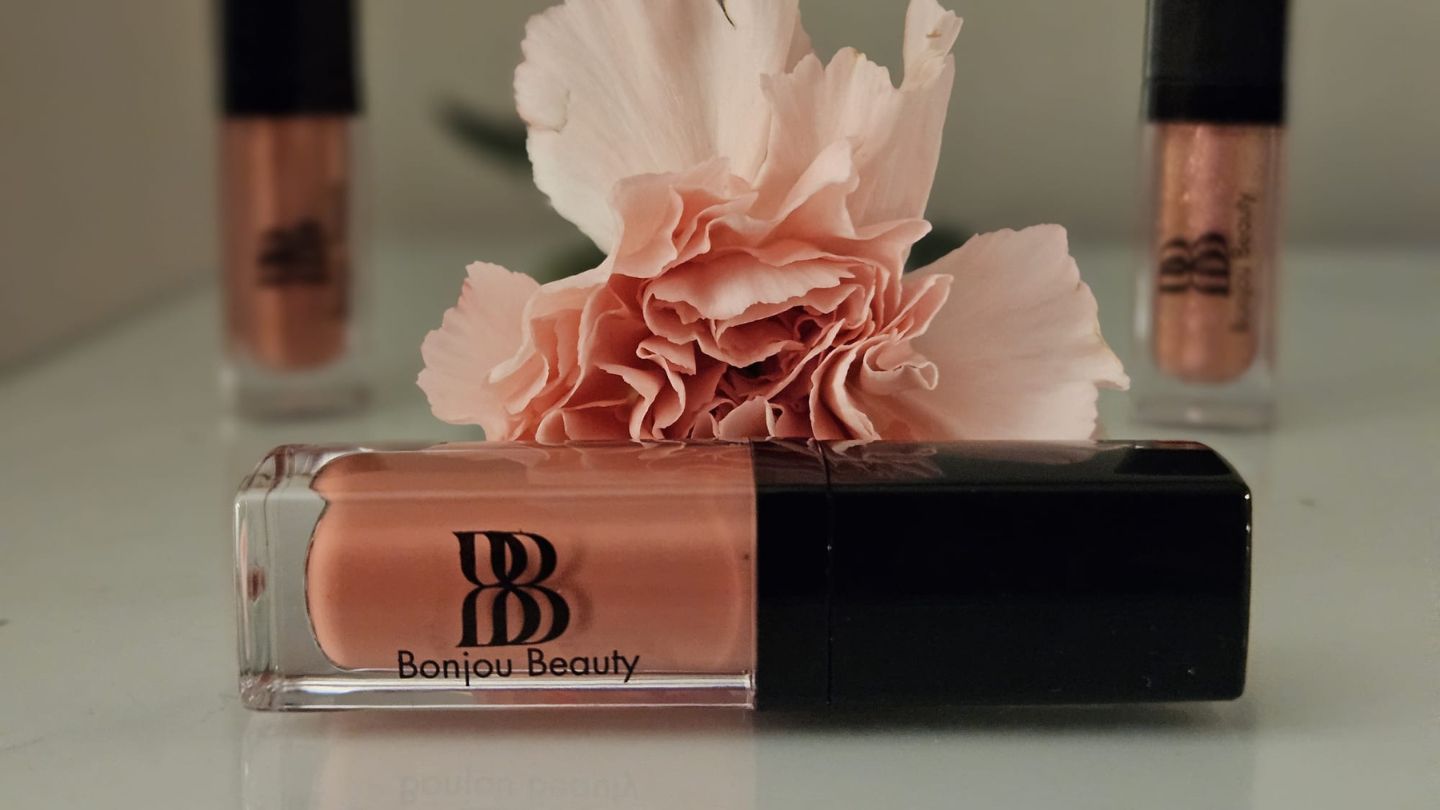
Lips: creams, lipsticks, tints or glosses are all good options.

  • Application tips: To keep your lips always looking and feeling soft, find a lip product with Vitamin E.

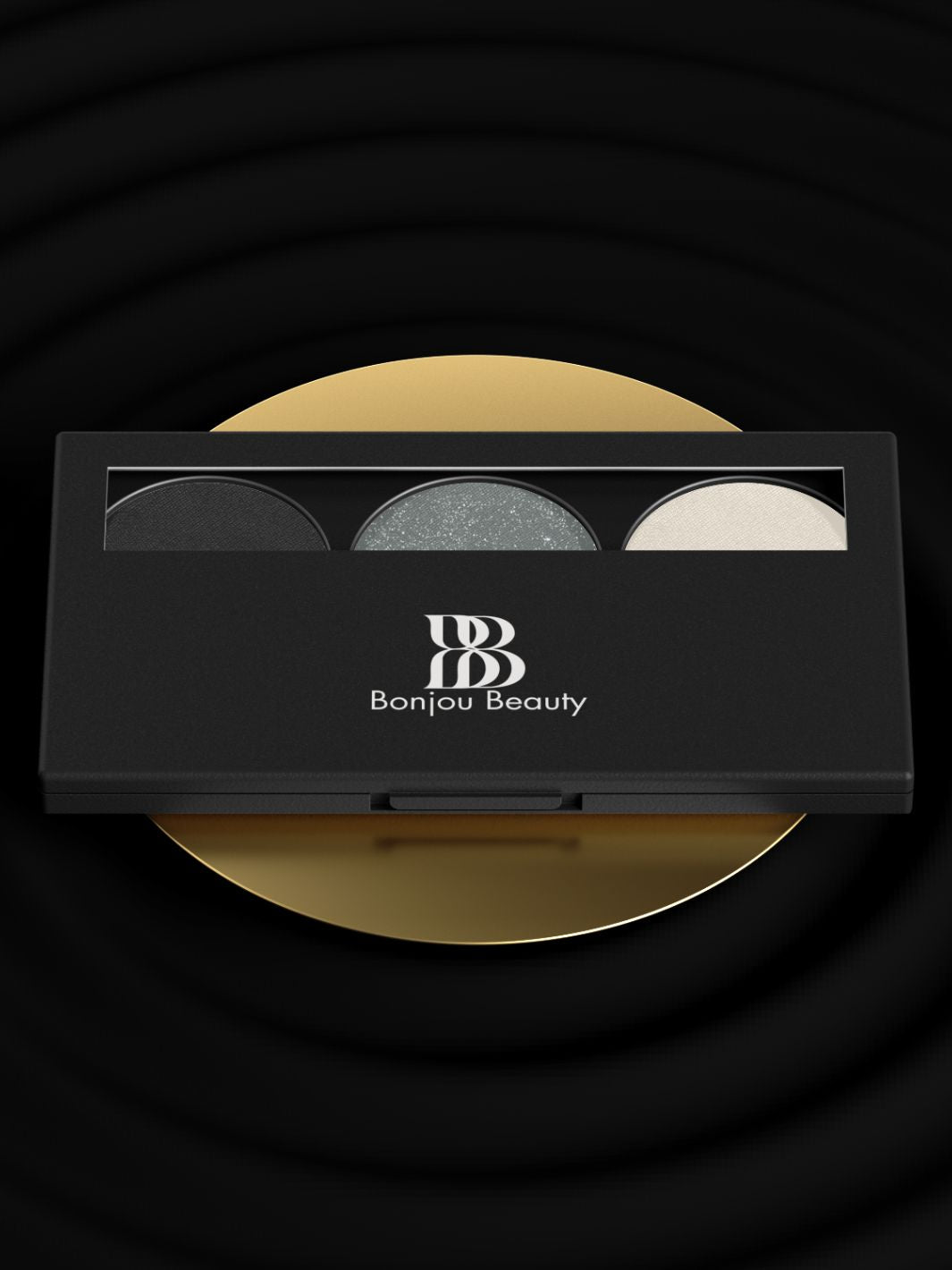
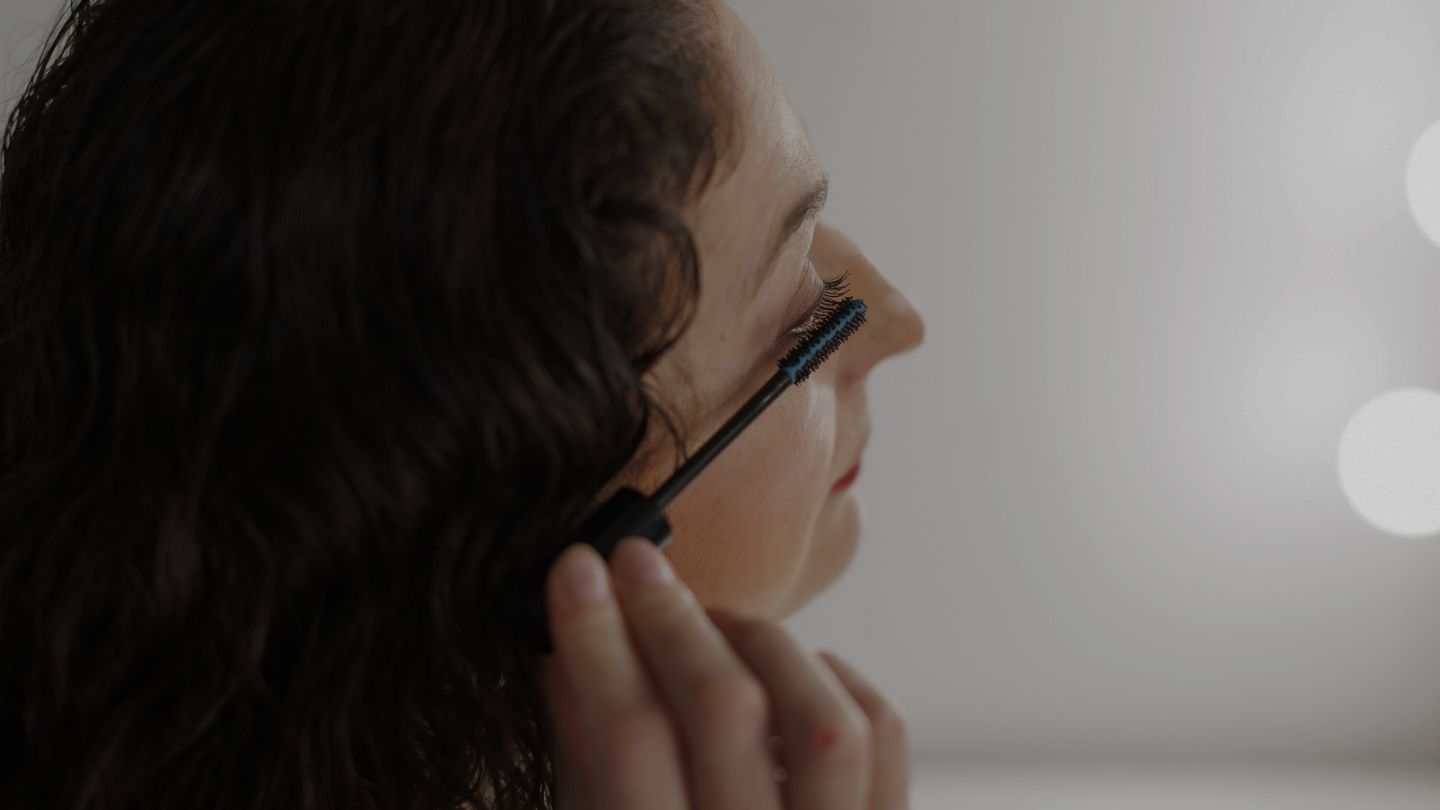
Eyes: If you’re using eye makeup, make sure your mascaras are water-resistant, not waterproof; waterproof mascaras can contain toxic ingredients. Take care with the ingredients you put around your eyes in liners and shadows. Cream shadows are easier to apply, but powder is more pigmented and buildable.

  • Application tip: Don’t pull on your eyes when applying eye makeup. It can lead to eye lines and wrinkles over time. Trust me, I had them from doing this as a teen. Well, that and genetics!

A simple makeup rule: Let your skin breathe, remove makeup gently, and never sleep in it.

Lifestyle support for healthy skin

Skincare matters, but your skin is also influenced by sleep, stress, nutrition, being active, hydration, and hormones. Here are some natural ways you can keep your skin looking its best.

Quick lifestyle tips

Stress and lack of sleep may affect how skin looks and feels. Both can help cause or worsen acne, premature lines and a tired complexion. Some ways you can improve your sleep or reduce stress.

  • Keep consistent sleep schedules. Try to go to bed and wake up around the same time every day.
  • Clean your pillowcases regularly. The buildup from your hair and skin, along with dirt, affects your skin.
  • Workout, dance, or play sports. Physical activity is not just beneficial for your body; it also helps your mental health, reduces stress, and improves your skin.
  • Take breaks from screens during the day and before bed. It helps you sleep and feel better.
  • Cleanse your skin after heavy sweating to remove it before it sets in.
A top-down view of a black bowl filled with a colorful, neatly arranged salad of vegetables including red cabbage, carrots, tomatoes, cucumbers, green beans, radishes, blueberries, and herbs on a dark textured background.

Nutrition

A balanced diet helps you achieve your best skin and goals, including eating breakfast, lunch and dinner. Every day, make sure you include:

  • Colourful fruits and vegetables: Pick your favourite ones and eat them every day.
  • Drinking enough water! Not a fan of plain water? Try adding some lemon, lime or fresh berries (this also helps you get your daily fruit!)
  • Omega-3-rich foods, like chia seeds, walnuts, flaxseed and salmon.
  • Antioxidant-rich foods, like berries, kale and spinach.

What to stay away from or reduce: Overly sugary foods and drinks, processed food like cold cuts, food fried in a lot of oil.

Food doesn't need to become another source of pressure, but improving the foods you eat, can make a difference in how you look and feel!

When to see a dermatologist

It may help to speak with a dermatologist if you’re unsure about what products are best for your skin or if you have breakouts that are:

  • Painful or cystic.
  • Leaving scars or persistent dark marks.
    Spreading across the face, chest, or back.
  • Affecting your confidence or emotional well-being.
  • Not improving with gentle skincare or after several weeks of over-the-counter care.

The American Academy of Dermatology says that people do not need to have severe acne to benefit from seeing a dermatologist. A dermatologist can help determine whether you’re dealing with acne, eczema, rosacea, sensitivity, allergic irritation, or another skin condition that may need targeted care.

Find a certified dermatologist

  • Canada: Canadian Dermatology Association
  • United States: American Academy of Dermatology
  • Caribbean: Caribbean Dermatology Association
  • United Kingdom: British Association of Dermatologists

Ready to build a simple teen skincare routine?

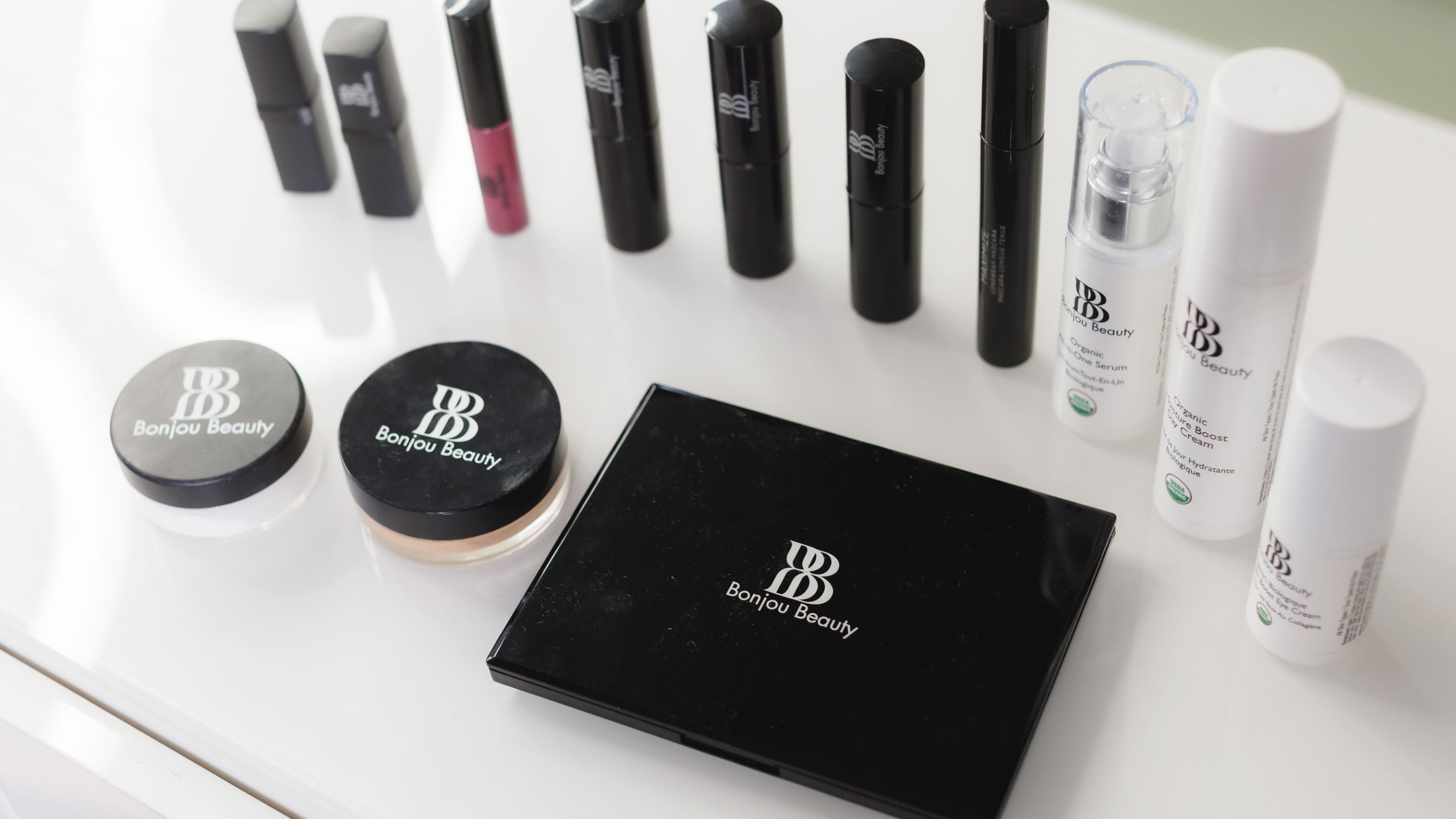
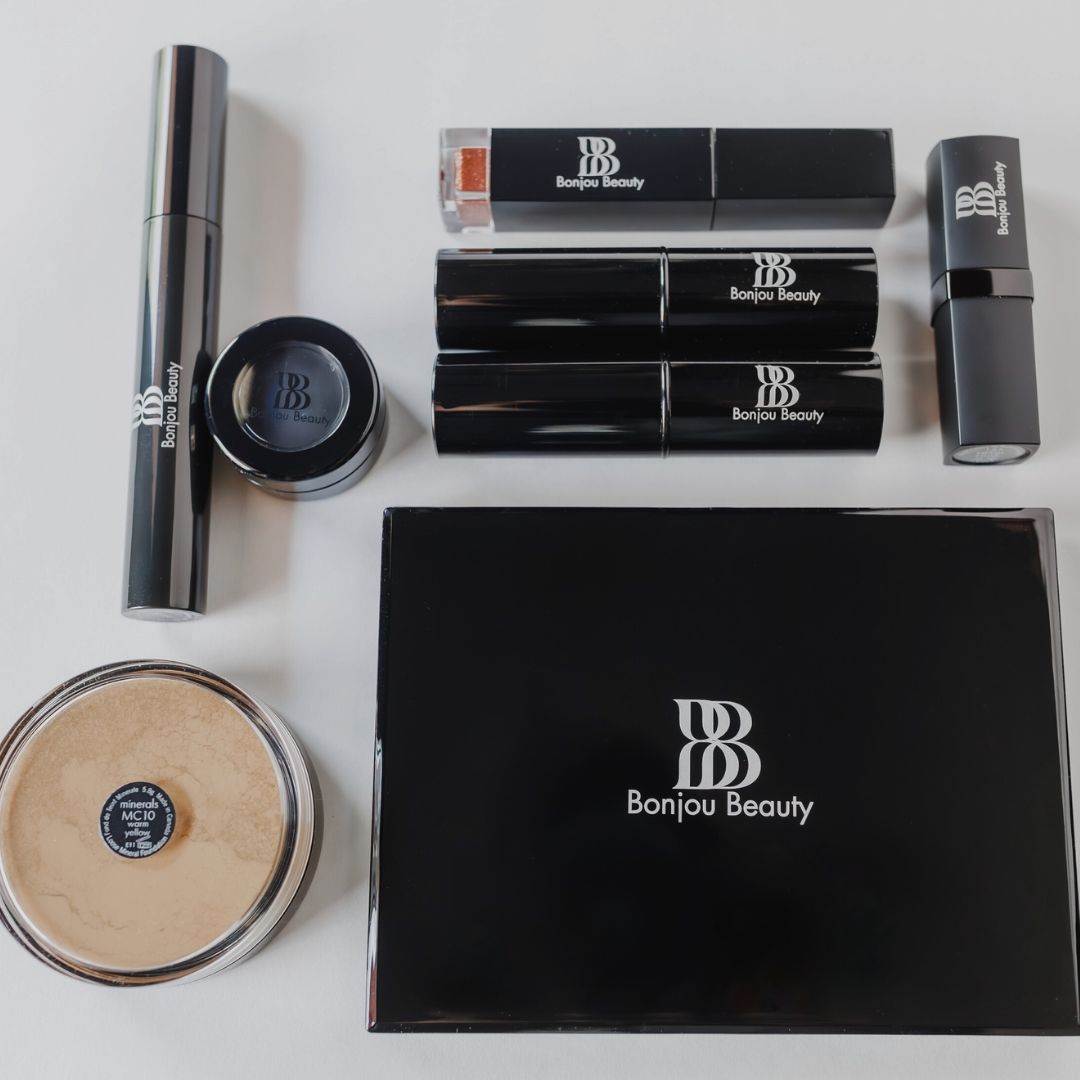
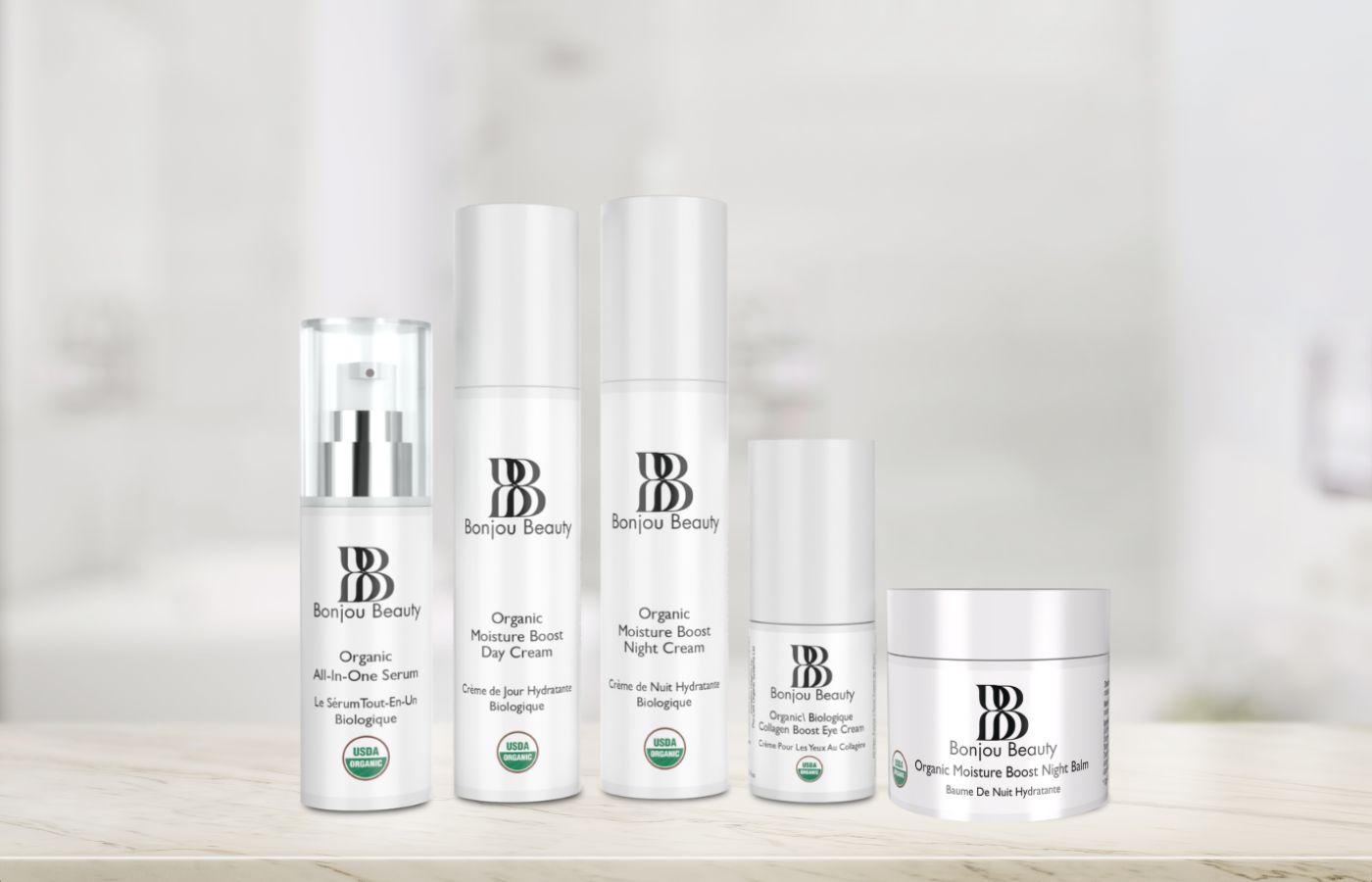
Your skin at this age often needs gentle cleansing, lightweight hydration, daily SPF, and balanced support for breakouts. Explore Bonjou Beauty’s skin-first essentials designed to support your skin with care and confidence.

References and further reading

  1. Canadian Dermatology Association. Acne.
  2. American Academy of Dermatology Association. Treating Acne? Is It Time to See a Dermatologist?
  3. American Academy of Dermatology Association. Acne: Diagnosis and Treatment.
  4. Skin of Color Society. Sunscreen Selection.
  5. Teen Vogue. Best Moisturizers for Teen Skin.
  6. American Academy of Dermatology Association. Sunscreen FAQs.
  7. Real Simple. New Study Warns That Popular Teen Skincare Routines on TikTok Might Be Damaging Skin.

A close-up of a hand with suncreen in a heart-shape, overlaid with the text 'TEEN SKIN CARE GUIDE' and 'Beauty tips for every skin tone'.

Want to keep the full guide?

DOWNLOAD NOW (opens in new tab)