



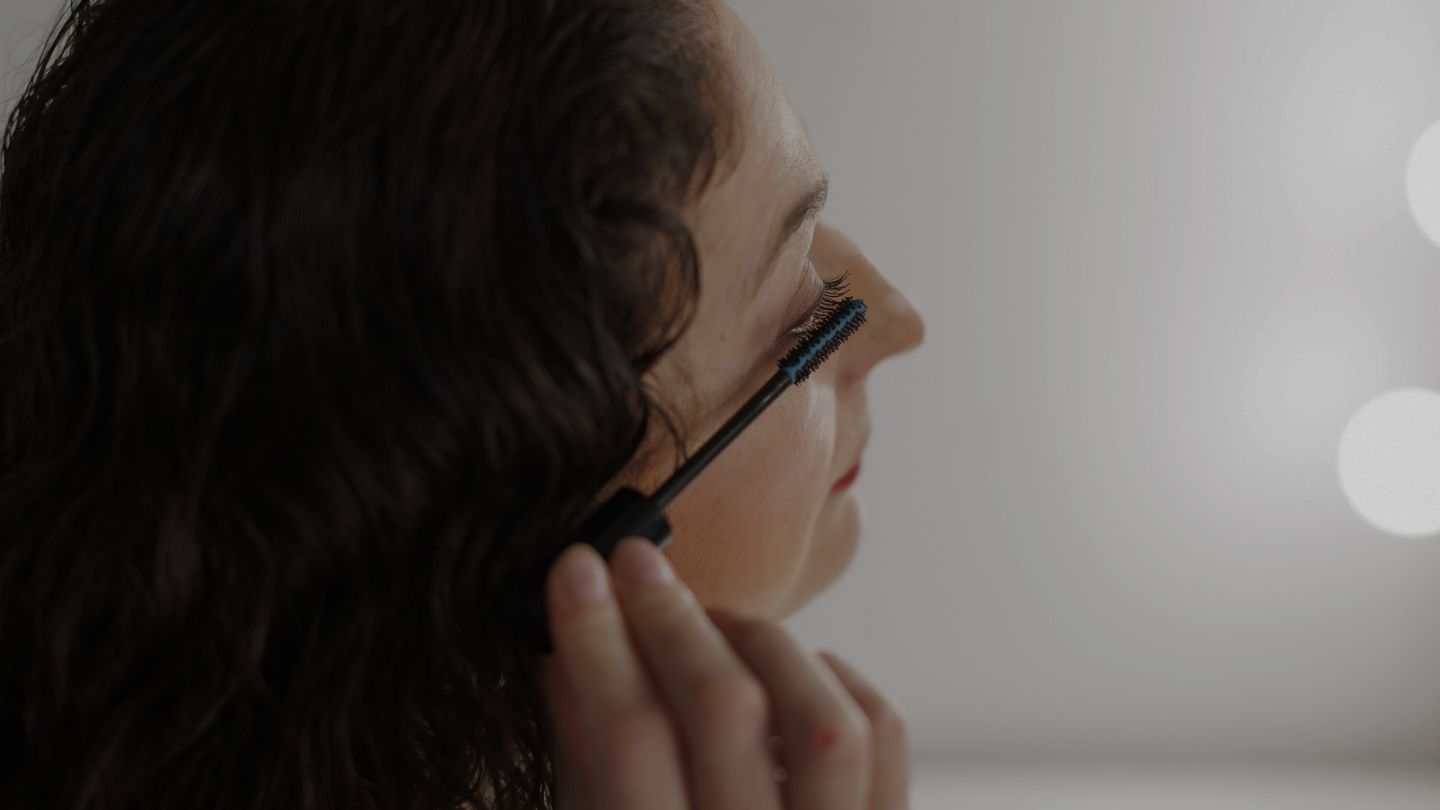




There’s a moment many of us experience but rarely talk about. You apply your makeup the same way you always have and suddenly, it doesn’t look the same.
Foundation sits differently. Powder looks heavier. The glow you used to get feels harder to find. It’s not that your skin has become more difficult. It’s that your makeup hasn’t evolved with it.
As skin changes through our 30s, 40s, and beyond, it naturally becomes drier, more delicate, and more textured. The formulas and techniques that once worked beautifully can start to work against you.
The good news? Small shifts make a remarkable difference.
Here are the most common makeup mistakes for mature skin and how to fix them.
1. Using foundation that’s too heavy
Heavy liquid foundations often sit on top of the skin, settling into fine lines and emphasizing texture.
What to do instead: Choose lightweight, flexible formulas that move with your skin.
Cream foundations are especially effective because they melt into the skin rather than masking it.
2. Overusing powder
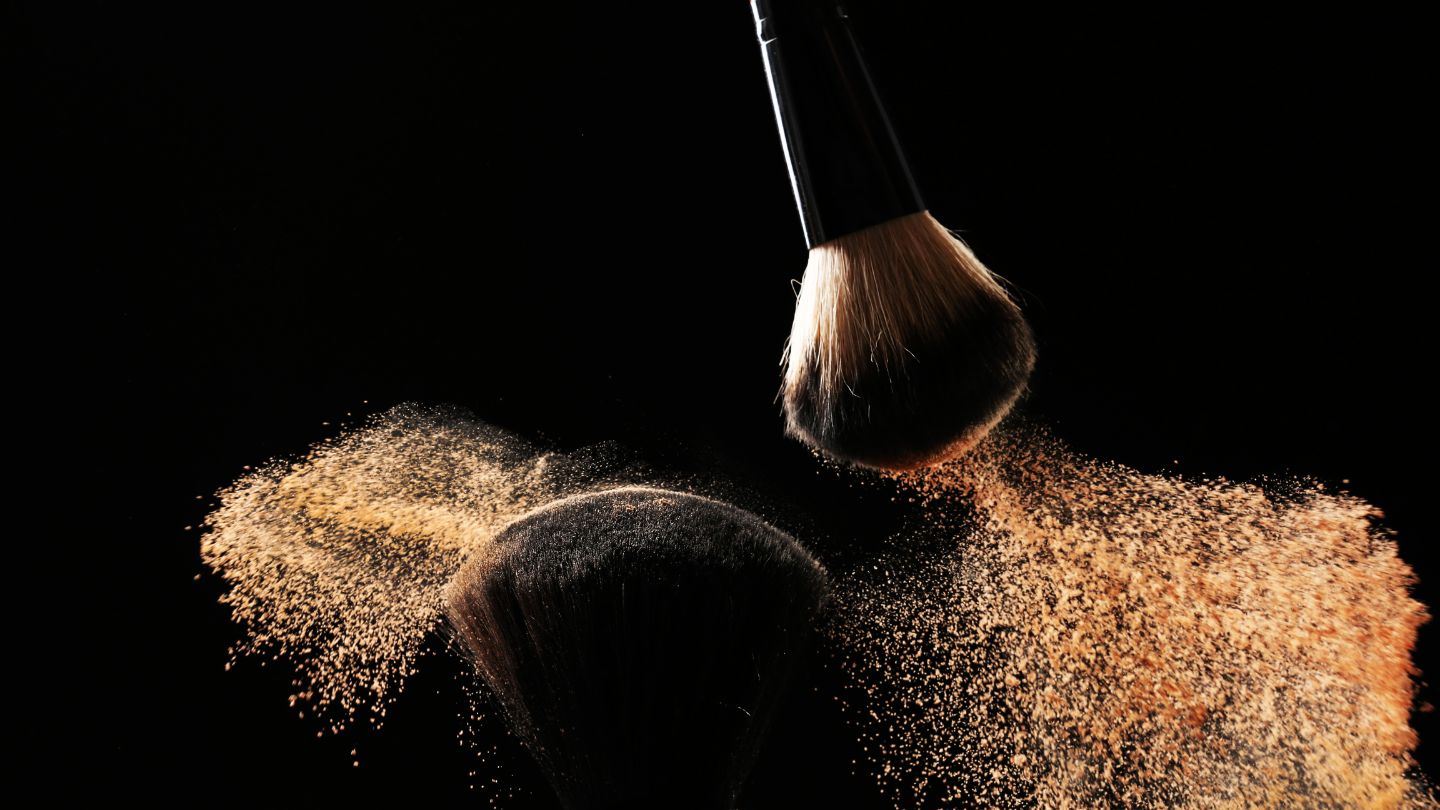
Powder has its place, but too much can make skin look dry, flat, and older than it is.
What to do instead: Use powder only where needed (typically the T-zone), and keep the rest of the skin softly luminous.
3. Choosing matte over skin-like finishes
Matte formulas can strip the skin of dimension, making it appear dull or tired.
What to do instead: Look for a natural or radiant finish that reflects light gently and brings life back to the skin.
4. Applying too much product
Layering product across the entire face often highlights texture rather than concealing it.
What to do instead: Use a targeted approach; apply coverage only where needed and blend outward for a seamless finish.
5. Skipping skin prep
Makeup can only sit as well as the skin beneath it.
What to do instead: Hydrated, well-prepared skin creates a smoother canvas. Focus on moisture and barrier support before applying makeup. A primer, like our water-based primer, also helps create a smoother canvas.
6. Using the wrong tools
The way you apply makeup matters just as much as the formula.
What to do instead:
• Damp sponge for sheer, natural coverage
• Dense brush for targeted, buildable coverage
7. Holding onto techniques
Many of us are still applying makeup the way we did 10 or 20 years ago.
What to do instead: Adapt your technique to your current skin not your past skin.
8. Ignoring texture and dryness
As skin becomes drier, makeup can cling to areas you never noticed before.
What to do instead:
Use cream-based products that blend easily and don’t emphasize dryness.
9. Over-defining features
Harsh lines, especially around the eyes and brows, can feel heavy on evolving, mature skin.
What to do instead: Opt for softer, blended definition that enhances your features without overpowering them.
10. Trying to cover instead of enhance
This may be the most important shift of all. When makeup becomes about covering, it often works against the natural beauty of your skin.
What to do instead: Focus on enhancing. Create a finish that looks like your skin, just more even, smooth, and radiant.
The simple shift that changes everything
Makeup for mature skin isn’t about using more products. It’s about using the right ones.
Formulas that are:
• Lightweight
• Hydrating
• Flexible
• Skin-like
This is exactly why cream-based makeup has become such a powerful shift for evolving skin.
A better approach to foundation
We designed Beauty Stix with evolving, mature skin in mind.
A cream foundation that:
• Melts into the skin
• Builds from sheer to coverage
• Moves with your expressions
• Creates a natural, radiant finish
Whether you want a fresh daytime glow or more polished evening coverage, it adapts with you.
Discover Beauty Stix here.
-----
As your skin changes, your makeup should evolve with it, and as it does, application can start feeling effortless again (or relatively so).


